
The Randomness of Games
One of the most prevalent myths surrounding casino games is the belief that they are not entirely random. Many players assume that there are strategies or systems that can influence the outcome of a game. However, games like slots and roulette operate on random number generators (RNGs) that ensure every spin or deal is completely independent of the last. This means that no previous results can predict future outcomes, reinforcing the idea that luck is the only factor in these games, especially in contexts like online sports betting canada where chance plays a significant role. Understanding this concept is crucial for anyone looking to engage with casino games.
The RNG operates under strict regulations and ensures fairness and unpredictability. Often, players will look for patterns in the results, falsely believing that a winning streak can be extended or that a losing streak must be followed by a win. Such assumptions can lead to misguided betting strategies and ultimately, disappointment. Additionally, casinos employ rigorous testing and auditing to ensure that their RNGs function correctly, further solidifying the fact that randomness is a core aspect of their games.
Players should approach casino games with the understanding that every moment is a new opportunity, free from past influences. By acknowledging the random nature of these games, players can make informed decisions about their gameplay and set realistic expectations regarding their chances of winning. This understanding can also foster a healthier mindset towards gambling, allowing players to enjoy the experience without undue stress or unrealistic hopes of winning based on previous outcomes.
The House Edge Myth
Another common myth is that the house edge is fixed and disadvantageous for players. While it is true that casinos have a built-in advantage on most games, the extent of the house edge varies significantly across different games and betting options. For example, games like blackjack offer players the chance to minimize the house edge through strategic play, potentially lowering it to less than one percent. This means that knowledgeable players can significantly increase their odds of winning by applying optimal strategies.
Moreover, some players misconstrue the house edge as a guarantee of loss in every session. In reality, the house edge means that over time, the casino will retain a certain percentage of bets, but individual outcomes can still favor the player in the short term. Winning sessions can and do occur, and they are often influenced by factors such as skill, optimal betting strategies, and a bit of luck. Players who understand the variability of outcomes can approach their gaming sessions with a more balanced perspective.
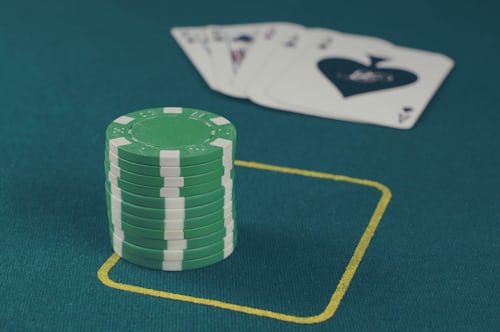
It’s essential for players to understand that while the house edge is a reality, it does not dictate the outcome of every individual bet. By choosing games wisely and employing strategies that reduce the house edge, players can enhance their gaming experience and improve their chances of winning. Additionally, focusing on games with better odds can help players maximize their time and investment in the casino environment.
The Luck versus Skill Debate
The debate surrounding luck versus skill in casino games often creates confusion among players. Many believe that all casino games are purely based on luck, while others argue that certain games require a degree of skill to succeed. Card games like poker and blackjack are excellent examples where a player’s skill can significantly influence the outcome. Knowledge of odds, game strategies, and psychological tactics can lead to better decisions and long-term success. This distinction becomes particularly important for players seeking to improve their game.
On the other hand, games such as slots or roulette are overwhelmingly luck-based since the outcomes are determined by RNGs without any input from the player. However, the idea that skill plays no role at all in any casino game is misleading. For instance, experienced players in poker can read their opponents and make strategic decisions that enhance their winning potential. This nuance emphasizes the importance of understanding the nature of each game and adapting one’s approach accordingly.
Ultimately, players should recognize that while luck is a dominant factor in many casino games, skill can also enhance the gaming experience and outcome in games that allow for strategy. Understanding the balance between luck and skill can lead to more informed choices, making visits to the casino more enjoyable and potentially lucrative. Players who invest time in learning and practicing their skills may find themselves more successful and satisfied with their gaming experiences.
The ‘Hot’ and ‘Cold’ Streaks Phenomenon
The notion of ‘hot’ and ‘cold’ streaks is frequently touted by casino patrons as if there were strategies to take advantage of these patterns. Players often believe that a slot machine that hasn’t paid out recently is ‘due’ for a win, or that a particular table game must be favorable based on recent outcomes. This belief stems from a misunderstanding of how random chance operates in gambling environments. The reality is that each event is statistically independent.

In reality, every spin of a slot machine or every deal in a card game is independent of past outcomes. Casinos are designed to operate based on randomness, and the outcomes are not affected by previous results. This means that a machine that hasn’t paid out is not more likely to pay out soon—its internal algorithm does not change based on previous spins. Such misconceptions can lead players to take unnecessary risks, often resulting in financial losses.
Understanding this concept is vital for responsible gambling. By falling prey to the myth of hot and cold streaks, players may make ill-fated betting decisions that could lead to significant losses. Educating oneself about the reality of random outcomes can help players maintain a more rational approach to gaming and promote healthier gambling habits. A clear understanding of how randomness works can empower players to make smarter choices and enjoy their gambling experience without undue pressure or irrational expectations.
Choosing the Right Casino Resources
Selecting the right online or physical casino is essential for an enjoyable gaming experience. With the rise of online gambling platforms, players are presented with countless options, making informed decisions crucial. Researching casinos not only for their game offerings but also for their licensing, reputation, and customer support can significantly enhance the overall experience. Reputable casinos will be transparent about their odds and house edge, giving players the information they need to make educated choices.
In the online landscape, it’s wise to check user reviews and independent evaluations to gauge a casino’s integrity and service quality. Furthermore, understanding the terms and conditions surrounding bonuses and promotions can help players avoid unpleasant surprises and maximize their gaming opportunities. Choosing a casino that values player satisfaction and transparency can lead to a more rewarding gaming experience, allowing players to focus on enjoyment rather than potential pitfalls.
Lastly, responsible gaming should always be a priority. Players should set limits and be aware of their gambling behaviors. Reliable casinos often provide resources for responsible gambling, such as self-exclusion options and links to support organizations. By selecting a casino that prioritizes player welfare, individuals can engage in a safe and supportive gaming environment while enjoying their favorite games. This proactive approach to gambling responsibility fosters a healthier relationship with the activity and encourages lasting enjoyment of gaming.