
The Allure of Gambling
The psychology of gambling draws in millions, driven by a blend of thrill and escapism. Individuals often seek out the electrifying atmosphere within casinos, where the sound of clinking coins and vibrant lights creates a stimulating environment. This ambiance not only heightens excitement but also creates a sense of urgency and possibility, as patrons envision winning big. Many find themselves captivated by the promise of fortune, which can serve as a potent motivator, drawing them into a world where the normal rules of financial prudence temporarily fade away. For those exploring this exhilarating experience, online casino australia provides an enticing option, as the sensory overload acts almost like a drug, leading players to chase after that high with unyielding determination.
Moreover, the desire to escape from reality plays a significant role in gambling behaviors. Many gamblers view casinos as a place to unwind, leaving their daily stresses behind. This mental shift can be both liberating and addictive, as the thrill of gambling offers a distraction from life’s pressures. The casino environment is designed to immerse players completely, providing a refuge where everyday worries are momentarily forgotten. Importantly, this escapism can lead to an overestimation of one’s chances of winning, fueling a cycle of betting where hope often overshadows rational thought. Thus, the casino environment becomes a haven for many, further enhancing its psychological impact and allure.
Additionally, the unpredictability of gambling outcomes plays a significant part in reinforcing this attraction. The human brain is wired to respond intensely to uncertainty, which can amplify the pleasure derived from wins. Each spin of a slot machine or shuffle of cards offers the potential for a life-altering outcome, which can lead to a rush of adrenaline and a feeling of euphoria. This sensation is further compounded by a phenomenon known as the “near miss,” where players come close to winning but ultimately fall short, often inciting them to continue playing in hopes of that next victory. The anticipation of winning, combined with the emotional highs and lows, creates a compelling cycle of reinforcement that keeps players engaged.
The Role of Cognitive Biases
Cognitive biases significantly influence how individuals perceive their gambling experiences, often leading them to make irrational decisions. One common bias is the illusion of control, where gamblers mistakenly believe they can influence the outcome of games purely based on skill or strategy. For example, a poker player might overestimate their ability to decipher opponents’ strategies, ignoring the inherent randomness of the game. This illusion empowers players to feel more in control of their bets, which can lead to riskier decisions and increased participation in gambling activities. Such biases can transform a seemingly casual game into a high-stakes contest in the minds of players.
Another pervasive cognitive bias is confirmation bias, where individuals focus exclusively on information that confirms their pre-existing beliefs while disregarding contradicting evidence. Gamblers often remember their wins vividly while glossing over the losses, reinforcing the belief that they are on a winning streak or have developed a “system” for success. This selective memory can create unrealistic expectations about future gambling outcomes, perpetuating a cycle of gambling behavior that is hard to break. The skewed perception of success can lead to an overwhelming desire to continue betting, as the gambler is convinced they are on the brink of another significant win.
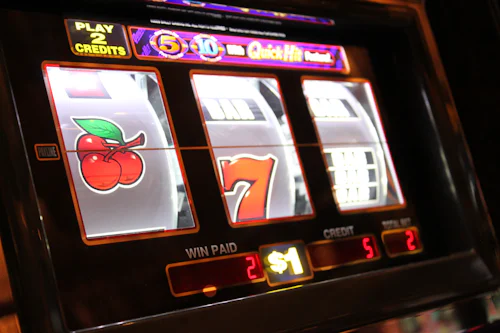
Lastly, the concept of gamblers’ fallacy plays a crucial role in decision-making at casinos. Many individuals believe that past outcomes will influence future results, leading them to think that a particular outcome is “due” after a sequence of losses. For instance, after several unsuccessful spins on a slot machine, a player may irrationally conclude that a victory is imminent. This mindset can lead to prolonged gambling sessions and escalating losses, as individuals chase after what they perceive as a statistical certainty that may never materialize. The fallacy can become a trap, luring players into a cycle of hope and disappointment that is difficult to escape.
The Social Dynamics of Gambling
The social dimensions of gambling can enhance its allure and contribute to compulsive behaviors. Casinos often serve as social hubs where individuals gather, share experiences, and celebrate wins together. This communal aspect can create a sense of belonging and camaraderie among gamblers, making the experience more enjoyable. However, it can also lead to peer pressure, where individuals feel compelled to gamble more or riskier to gain social acceptance or avoid disappointing their peers. The social validation received from fellow gamblers can act as a powerful motivator, driving individuals to push their limits.
Moreover, the presence of others can amplify emotional responses to gambling. The shared excitement of winning in a group can lead to heightened feelings of euphoria, reinforcing the desire to continue playing. Conversely, the collective experience of losing can lead to desperation and a shared sense of urgency to recover lost funds, perpetuating the gambling cycle. This social reinforcement can significantly impact individual decision-making, leading players to wager more than they initially intended. The thrill of collective wins or losses can overshadow the rational assessment of one’s gambling behavior.
Additionally, the rise of online gambling has transformed social dynamics, allowing players to interact virtually while participating in games. Many online platforms offer chat features and community forums, where gamblers can share tips, strategies, and experiences. This accessibility can further blur the lines between recreational gambling and compulsive behavior, as individuals find themselves more deeply invested in the virtual gambling community. The social influences can lead to a normalization of gambling, making it more challenging for individuals to recognize when their behavior crosses into problematic territory. The interconnectedness of online players creates a unique environment that can either foster healthy gambling habits or exacerbate problematic ones.
The Impact of Marketing and Environment
Casinos are expertly designed to evoke specific emotional responses, employing marketing strategies that maximize engagement and encourage spending. From the moment patrons enter a casino, they are met with an alluring sensory experience—bright lights, lively sounds, and enticing scents designed to create a welcoming atmosphere. This carefully curated environment is pivotal in shaping how gamblers perceive their experience, often leading to extended visits and increased wagers. The immersive design acts to distract from time and financial considerations, further encouraging players to indulge in their gambling pursuits.

Moreover, promotional tactics such as free drinks, rewards programs, and bonuses foster a sense of loyalty and entitlement among players. These incentives create a psychological association between gambling and positive reinforcement, as players feel rewarded for their participation. This dynamic can lead to heightened betting, with individuals increasingly chasing the next reward. The allure of exclusive offers or VIP experiences can amplify the desire to gamble, making it difficult for individuals to recognize the potential for harm in their activities. The clever marketing strategies employed by casinos are crucial in keeping players engaged and returning for more.
Additionally, the location of gaming activities within the casino can create a “no exit” psychological trap. Many establishments design their layouts to disorient guests, making it challenging to find exits. This design strategy can lead to extended gambling sessions, as individuals may lose track of time and become engrossed in the excitement of the games. By strategically controlling the environment, casinos can perpetuate gambling behaviors that might otherwise be moderated in a less stimulating setting. The overall design and atmosphere of a casino are intentionally crafted to keep gamblers inside, encouraging them to play longer than they might have originally intended.
The Path to Understanding Responsible Gambling
As understanding the psychology of gambling becomes increasingly important, it is essential to promote responsible gambling practices. Awareness of cognitive biases, social influences, and environmental factors can empower individuals to make informed decisions about their gambling behavior. Education plays a key role in helping gamblers recognize their triggers and understand the psychological mechanisms that drive their actions. By fostering an understanding of these dynamics, individuals can better navigate their gambling habits and establish healthier boundaries. A proactive approach to education can help individuals appreciate the thrill of gambling without falling into the traps that lead to compulsive behaviors.
Furthermore, supportive resources and hotlines can provide assistance to those struggling with gambling-related issues. Encouraging open discussions about gambling can help destigmatize the conversation and empower individuals to seek help when needed. Awareness campaigns can also highlight the importance of responsible gambling, emphasizing that enjoyment should not come at the expense of one’s financial stability or mental health. Engaging in community outreach and providing accessible information can create a culture of mindfulness around gambling practices.
Finally, responsible gambling initiatives should focus on creating a safe and supportive environment for players. This includes promoting self-exclusion programs, setting limits on time and spending, and offering alternative activities that provide similar rewards without the associated risks of gambling. Together, these strategies can help cultivate a culture of moderation and awareness, allowing individuals to enjoy the excitement of gambling while minimizing potential harm. Promoting a balanced approach can encourage players to indulge in their interests while maintaining control over their actions.